(214) 361-7992
 info@landscapeprotx.com
The lowest landscape bid may not always be the best value. But there is another question worth considering: Are we measuring the right things?
Most HOA boards issue an RFP with a detailed list of required tasks:
Mow this many times. Trim this many times. Fertilize this many times. Clean beds this many times.
Then Landscape Partners compete on price to deliver those tasks.
It makes the proposals easy to compare.
But does it make the results easy to compare?
Because residents do not judge their community by how many times the turf was mowed.
They judge it by whether the community looks consistently cared for.
That is a different standard.
What If the RFP Started With the Outcome?
A task-based RFP tells a Landscape Partner what to do and how often to do it.
A results-based approach starts with a different question:
What should this community look and feel like when the Landscape Partner is doing its job well?
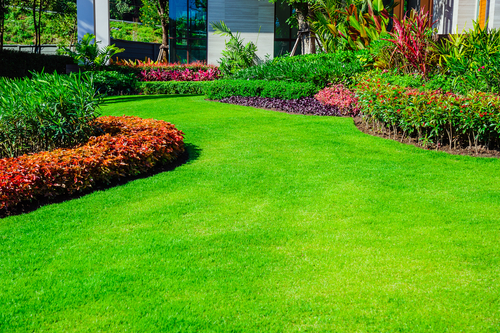
Healthy turf. Well-maintained beds. Clean common areas. Properly managed irrigation. Seasonal color that complements the community. Problems identified and addressed before they become resident complaints.
The Landscape Partner then brings its expertise to determine how best to achieve those results.
That creates a different kind of accountability.
Instead of asking only:
“Did you complete the required number of visits?”
the conversation becomes:
“Is the property meeting the landscape standard we expect?”
An Alternative Worth Asking For
Boards do not have to abandon their existing RFP.
In fact, there may be value in asking finalists to provide an alternative approach:
“Based on your experience with communities like ours, would you provide an alternate proposal that is results-based rather than task-based?”
This can give the Board two useful perspectives.
Task-based: Here is exactly what we will do, how often we will do it, and what it will cost.
Results-based: Here is the condition and appearance we believe your community should achieve, and here is how we would manage the property to get there.
The second approach asks the Landscape Partner to bring more than labor to the relationship.
It asks for judgment, management, expertise and accountability.
And Then There Is Price
A proposal that is $20,000 lower may represent a more efficient operation.
That is a good thing.
But the Board should understand why the difference exists.
Is it fewer labor hours? Different staffing? Less supervision? More subcontracting? Different service assumptions? Or simply a more efficient business model?
The number itself does not tell the whole story.
The real question is whether the proposed investment is aligned with the standard the Board expects for the community.
The Bigger Opportunity
The Board already has an important role in defining expectations through the RFP.
The next opportunity may be to give the Landscape Partner some room to demonstrate what it can do with that responsibility.
Rather than evaluating only:
“Who will perform these tasks for the lowest price?”
consider also asking:
“Who understands the outcome we want and has a credible plan to achieve it?”
And perhaps the most revealing question of all:
“What would you recommend if you were responsible for the appearance of this community—not simply for completing the tasks in our RFP?”
That is where a Landscape Partner can begin to act less like a contractor and more like a partner in protecting the appearance, value and experience of the community.
Perhaps the best landscape contract is not the one with the most tasks.
Perhaps it is the one where everyone is clear about the result that matters.